As Australia’s first virtual collaborative diabetes research centre, ACADI brings together researchers, clinicians, industry partners, health services and people with lived experience to develop new approaches to the diagnosis, prevention and treatment of diabetes and its complications.
A key priority for ACADI is ensuring equitable access to diabetes-related healthcare. Virtual health and digital technologies play an increasing role in overcoming barriers related to geography, workforce shortages and access to specialist care, ensuring more Australians can benefit from advances in diabetes prevention, treatment and management.
The projects below showcase how ACADI-supported researchers and partners are using virtual care, digital platforms and innovative technologies to expand accessibility of health services, increase participation in research and transform healthcare delivery across Australia.
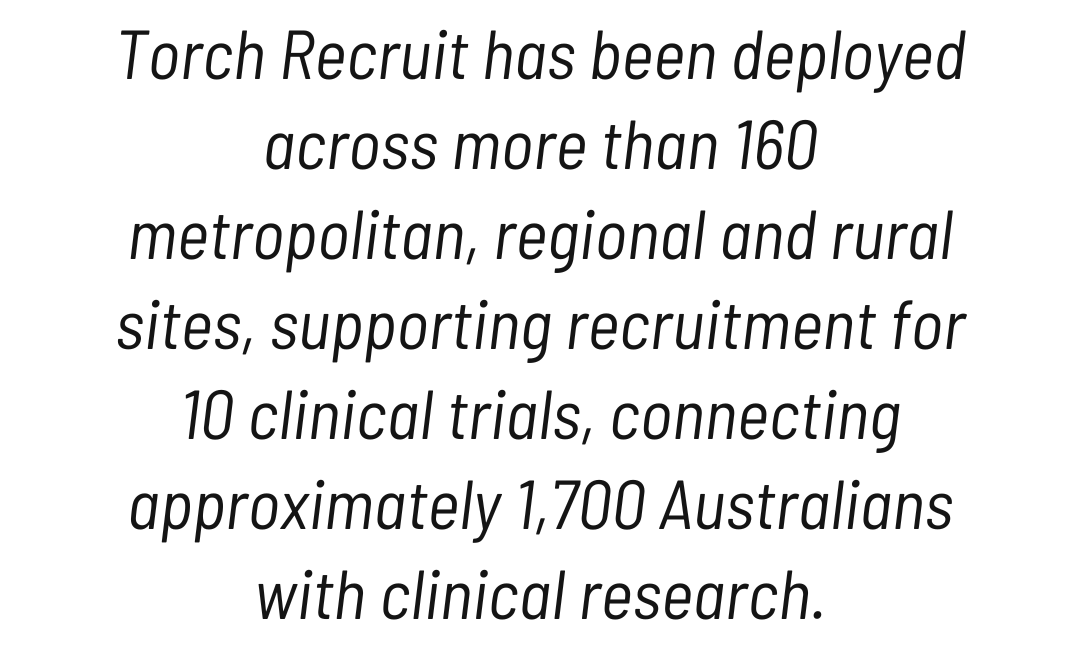
Clinical trials play a crucial role in testing new treatments for individuals with type 2 diabetes and chronic kidney disease. However, accessing these trials can be challenging for people who primarily receive care in general practice settings. Torch Recruit software is designed to bridge this gap by identifying potentially eligible people within general practices.
Our project has two main objectives:
1. Increase the number of general practices using Torch Recruit software.
2. Enhance the software’s functionality based on feedback from researchers and users to make it more user-friendly.
By achieving these goals, we aim to improve the efficiency of clinical trials and expand access to innovative treatments for individuals with type 2 diabetes and chronic kidney disease who are receiving care in general practice settings.
Project lead: A/Prof Jo-Anne Manski-Nankervis (University of Melbourne)
Collaborators: Laura van Rooyen (University of Melbourne), Dr Tim Monaghan (University of Melbourne), Stephen Dolan (Torch Recruit), Sean Lo (Torch Recruit), Western Health.
Even with advancements in diabetes treatment, less than half of people living with diabetes are reaching their target blood sugar levels (HbA1c of less than 7%), putting them at higher risk for complications. To address this challenge, we’ve developed a mobile health solution called the Mobile Diabetes Management System (MDMS), which enables a new model of care called REMODEL (Rethinking Model of Outpatient Diabetes Care using eHealth) program.
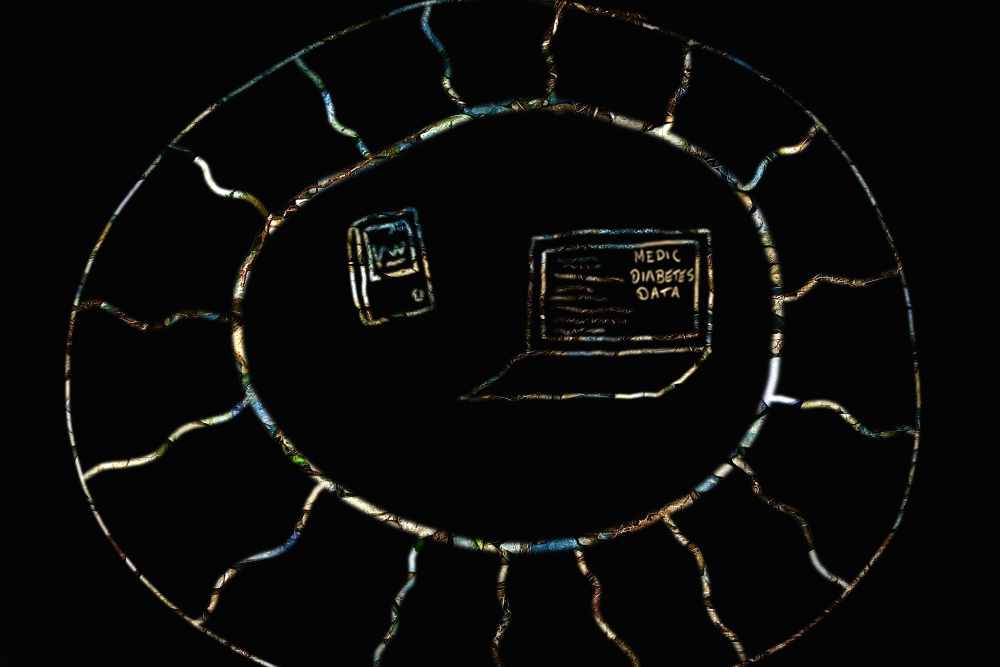
The MDMS includes several components: a blood glucose monitor, a smartphone app, and a dashboard with automated alerts for healthcare professionals. It also automatically sends personalised SMS text messages to individuals with diabetes, offering feedback and access to educational resources.
With REMODEL-IPC, our goal is to see improvements in HbA1c and quality of life for participants over a 12-month period. Additionally, we’ll assess whether this approach is cost-effective for both individuals with diabetes and the healthcare system as a whole.
By leveraging mobile technology and personalised support, we aim to empower individuals with diabetes to better manage their condition and ultimately improve their health outcomes.
Project lead: Dr Anish Menon (University of Queensland)
Collaborators: Professor Anthony Russell (Monash University), Professor Clair Sullivan (University of Queensland), Dr Namal Balasooriya (University of Queensland), Dr Charles Okafor (University of Queensland), Ms Keren Pointon (University of Queensland).
We’ve partnered with Diabetes Victoria to develop a program called Making Sense. This program is specifically designed to help individuals with type 1 diabetes better understand and interpret data from their continuous glucose monitors and insulin pumps.
Making Sense brings together input from various experts including endocrinologists, diabetes educators, dietitians, psychologists, and peers who live with type 1 diabetes. The program runs for two weeks in groups of 8, led by a peer who also has type 1 diabetes. Sessions will be a mix of remote educational modules and in-person study visits.
Through this project, we aim to gather results and feedback to refine the Making Sense program. Ultimately, we hope to create a remote educational tool that empowers individuals with type 1 diabetes to effectively manage their glucose levels using technology.
Project lead: Prof David O’Neal (University of Melbourne)
Collaborators: St Vincent’s Hospital Melbourne, Diabetes Technology Research Group, Austin Health, Melbourne Health, Diabetes Victoria.
Diabetes-related emergencies caused by dangerously high or low blood glucose levels can be life-threatening and require urgent medical care. Yet access to timely specialist diabetes support can be particularly challenging, especially for people living in rural and remote communities, Aboriginal and Torres Strait Islander peoples, and culturally and linguistically diverse communities.
This project evaluates whether virtual diabetes care can improve access to specialist support during diabetes emergencies and help more people receive care in their local communities. The research team will review the current Victorian Virtual ED Diabetes model of care, which connects people experiencing diabetes emergencies with specialist diabetes clinicians via telehealth, and assess the effectiveness of point-of-care testing to support faster triage and clinical decision-making. The findings could help reduce avoidable hospitalisations, improve access to expert diabetes care and support the development of a national virtual diabetes emergency service.
Project lead: Prof Elif Ekinci (University of Melbourne)
Collaborators: Dr Loren Sher (Northern Health), A/Prof Rebecca Jessup (University of Melbourne), Dr Rodney Kwok (University of Melbourne), Miss Mariam Hachem (University of Melbourne), Prof Leonid Churilov (University of Melbourne), Dr Marlena Klaic (University of Melbourne), Dr Ben Nash (University of Melbourne), Mr Raymond Kelly (University of Melbourne), A/Prof Jo-Anne Manski-Nankervis (University of Melbourne), Dr Steven James (University of Sunshine Coast), Dr Ziad Nehme, Prof Glen Noonan, Dr Zoe Schofield, Dr Tamara Power, A/Prof An Tran-Duy (University of Melbourne), Mrs Amanda Thornton, Ms Renza Scibilia, Royal Flying Doctors Service, Ambulance Victoria, Northern Health, Austin Health, Diabetes Victoria, Diabetes Australia, Abbott Diabetes Care, Australian Diabetes Educators Association, Australian Diabetes Society, St Vincent’s Hospital Melbourne, Diabetes Technology Research Group.

Case study: Torch Recruit
Case study: REMODel