
A Virtual Emergency Department for Diabetes
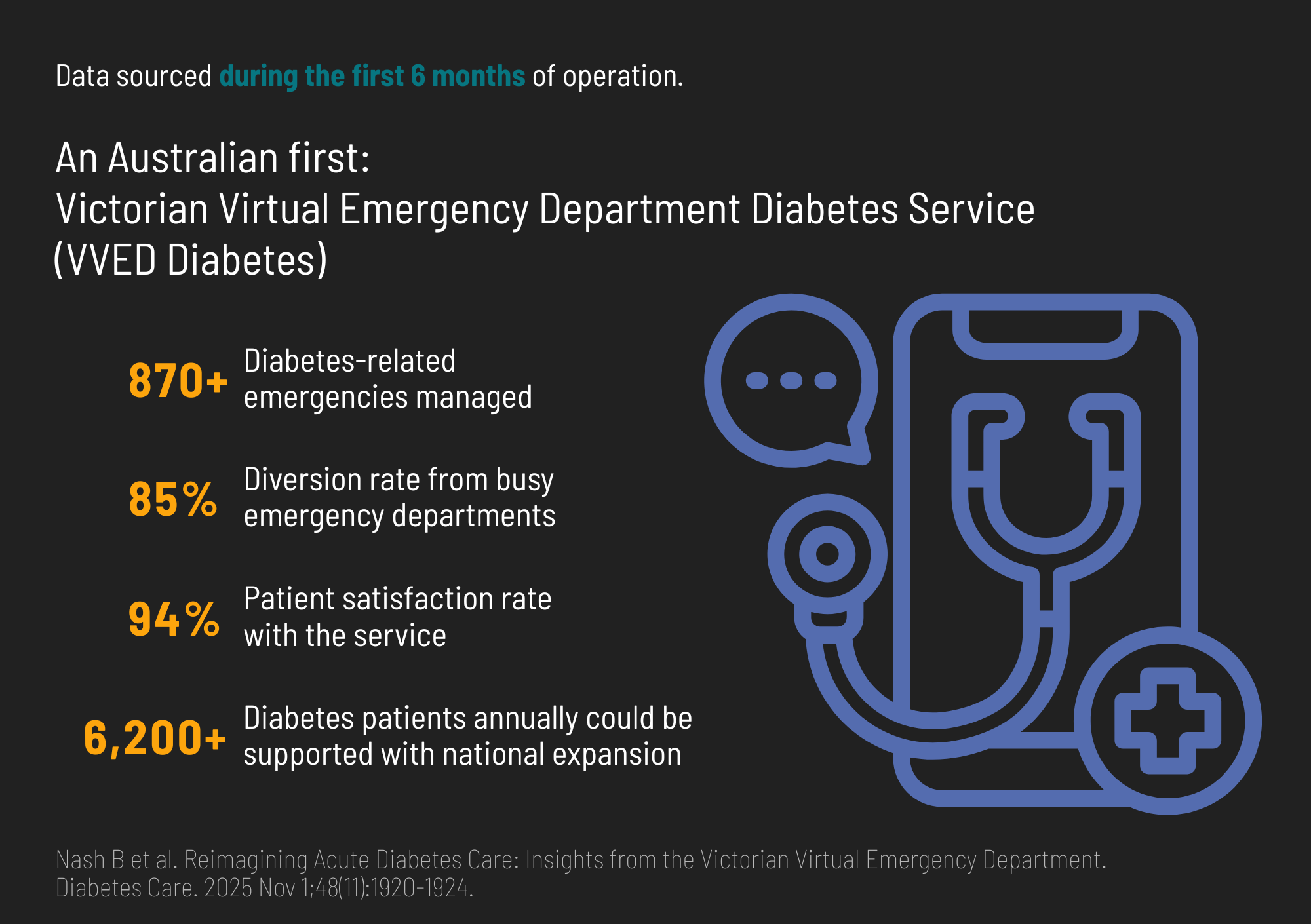
In July 2024, ACADI commenced Australia’s first Virtual Emergency Department Diabetes Service (VVED Diabetes) as a Victorian Government-funded pilot in partnership with the Victorian Virtual Emergency Department, Northern Health, Ambulance Victoria, Diabetes Victoria, and Royal Flying Doctors Service.
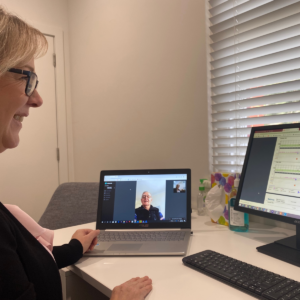
Known as VVED Diabetes, the rapidly growing service provides a free telehealth consultation to people with non-life-threatening complications, offering immediate ‘on the spot’ emergency diabetes management support to reduce the need for emergency visits and hospitalisation.
The service supports people across a range of community settings, with users connecting through Ambulance Victoria, residential aged care facilities, healthcare providers, and others who contact the service directly.
With nearly half of all presentations relating to hyperglycaemic episodes, VVED Diabetes provides safe, timely and high-quality specialist care for people who are acutely unwell, while helping reduce pressure on busy emergency departments and hospital services.
Recognising the impact that the service has had on the community, the Victorian Government has committed to tripling the reach of the service across the state.
On-board Keytone Testing
“Paramedics are now able to provide valuable blood ketone results when they call us for advice, this guides patient care and treatment decisions. Often, we can prevent patients having to go to hospital.”Cecily Foged, Virtual Emergency Diabetes Nurse Practitioner
Our Vision for a National VED Diabetes Service
Building on the success of VVED Diabetes in Victoria, ACADI has a vision to see the model adopted across all Australian states and territories.
A nationwide service could provide specialist emergency diabetes support to more than 6,200 Australians each year, improving access to care while reducing pressure on hospitals and emergency departments.
Close the Gap in Access
Deliver specialist emergency diabetes care to rural and remote Australians, First Nations peoples, and other underserved communities, regardless of location.
Prevent Avoidable Admissions
Provide immediate specialist advice and self-management support to reduce emergency department presentations and hospital admissions.
Reduce Health System Costs
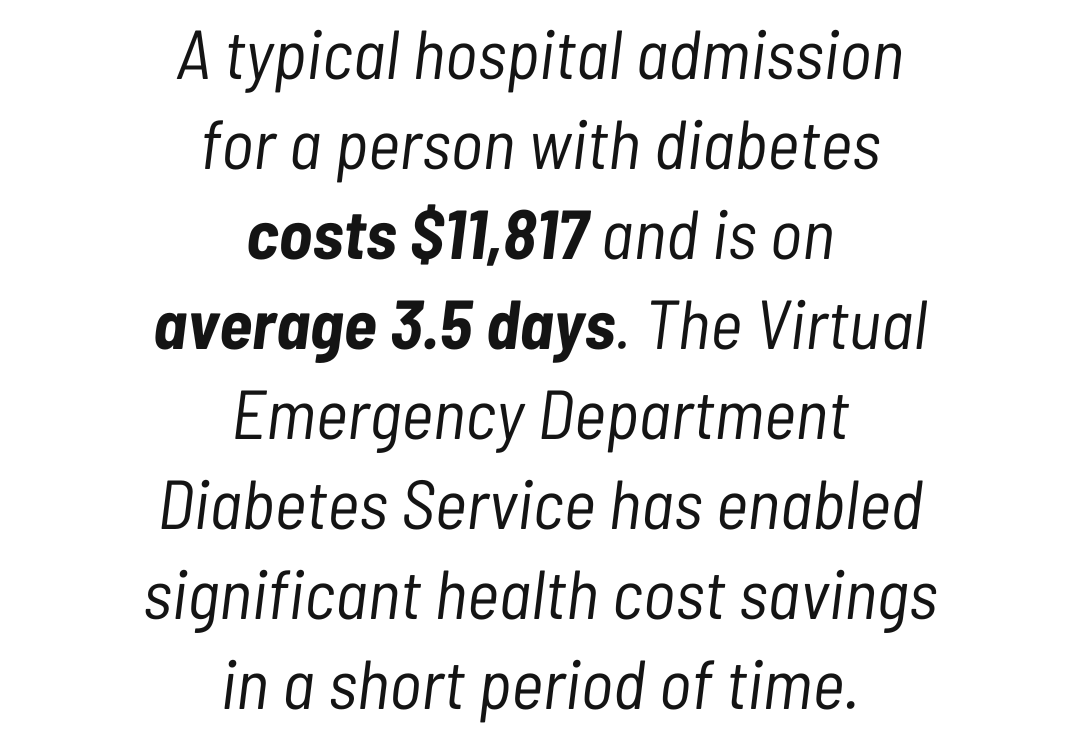
Greater access to virtual care has the potential to divert 80-90% of patients from hospital and emergency departments.
Expand Point-of-Care Innovation
Expand the use of technologies, such as ambulance-based ketone testing, to support early intervention.
Laila, Avoided Emergency
When Laila suffered from gastroenteritis recently, her Type 1 diabetes flared and her blood sugar levels soared into the high 20s (ideally, they should be between 7.5 and 10).
The mother of a two year-old son and baby daughter faced the prospect of a trip to hospital with her children (during nap time) while suffering the debilitating symptoms of vomiting and diarrhoea.
Instead, she recalled her endocrinologist telling her about the diabetes Victorian Virtual Emergency Department Diabetes Service.
The young mum made a call on a Saturday afternoon and was advised by the diabetes nurse practitioner to double her insulin dose to reduce her blood sugar levels.
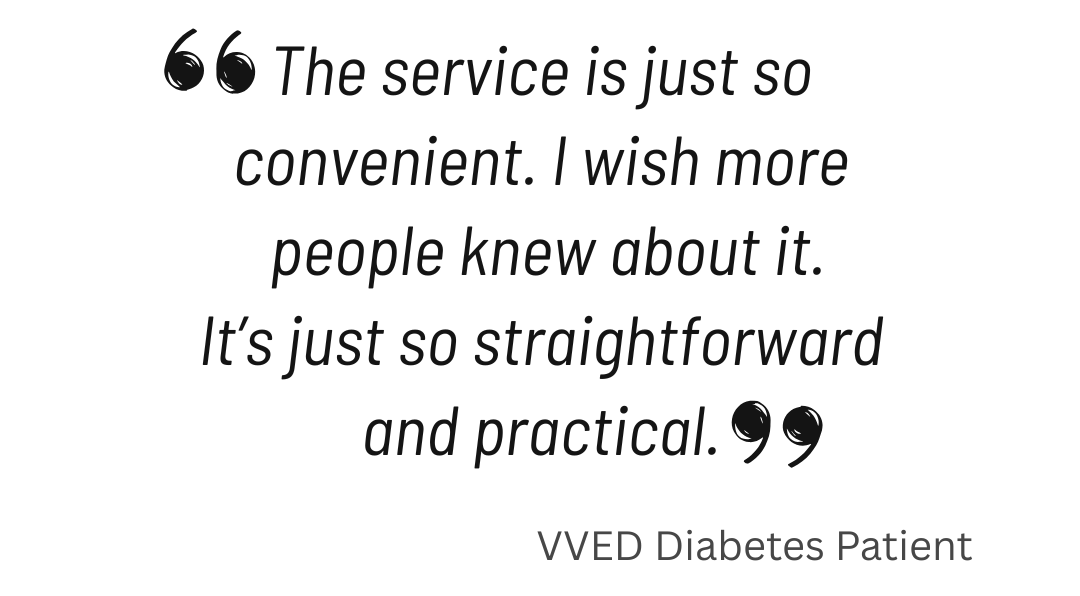
“If I’d gone in to the ED, I reckon we would’ve waited for hours and they would’ve probably admitted me, so I’m really grateful to have managed the emergency from home,” she says.
Not only was her immediate situation managed, but the virtual team called her in the evening to check her status, and again in the morning when she awoke.
“The headache and exhaustion began to subside, and I started to feel better.”


Cecily, Supporting the Service
Cecily has been working in diabetes for 20 years and is a nurse practitioner and a credentialled diabetes educator. She does a 5pm to 11pm shift each week with the Victorian Virtual Emergency Diabetes Service (VVED Diabetes), a high demand time for the service which runs seven days a week.
She has five colleagues who work the other shifts, based in Frankston, metro Melbourne and Geelong – though their location is irrelevant as the virtual service covers all of Victoria.
“Many patients self-refer to the service or are identified from an intake list based on presenting complaints like hyperglycemia, hypoglycemia, or pump issues,” Cecily said.
“We provide timely care, often within 10 minutes, reducing ED wait times which can be four or five hours.”
Cecily’s goal is to triage patients when they can be helped while they’re still at home. But sometimes a patient will need advanced after-hours care and she will arrange an ambulance.
The team receives quite a few calls from aged care facilities. In a recent case, a 90-year-old man in a nursing home, two hours from a hospital, was hyperglycaemic. Cecily stabilised his condition and avoided an ambulance trip to hospital, at 11pm.
“I was able to troubleshoot and discuss his food choices that had caused the problem. We were able to keep him at home and his GP visited the next morning. The staff at the nursing home felt very supported.”
According to Cecily, the service:
-
Encourages patients to stay home rather than travel to an emergency department
-
Reduces the need for an ambulance call-out
-
Empowers the patient to manage their condition
-
Refers to short stay units, if necessary, and reduces the length of stay
-
Collaborates across various healthcare settings, ensuring continuity of care
-
Intervenes quickly to improve management and reduce complications like diabetic ketoacidosis.